The Tech Revolution Behind Live Dealer Gaming’s Global Rise
The Numbers Don’t Lie: Live Gaming’s Meteoric Ascent
The live dealer gaming sector has experienced unprecedented growth, with global revenue jumping from $2.4 billion in 2021 to an estimated $8.7 billion in 2026. This represents a compound annual growth rate of 29.4%, making it the fastest-growing segment within the online gambling industry. What’s driving this explosive expansion isn’t just player preference—it’s a perfect storm of technological advancement, regulatory acceptance, and changing consumer behavior patterns.
European markets lead this charge, accounting for 42% of global live dealer revenue, followed by Asia-Pacific at 31% and North America at 19%. The remaining 8% is distributed across Latin America, Africa, and other emerging markets. These figures represent more than statistical curiosities; they reveal fundamental shifts in how players engage with digital gambling platforms.
Perhaps most telling is the player retention data. Live dealer games boast an average session length of 47 minutes compared to 23 minutes for traditional RNG games. Players who engage with live dealer content show 73% higher lifetime value metrics and return 2.3 times more frequently than those who stick exclusively to automated games.
Technology Infrastructure: The Backbone of Expansion
The technical requirements for live dealer gaming have historically limited its accessibility. Early implementations demanded expensive studio setups, specialized streaming equipment, and robust bandwidth capabilities that many operators couldn’t justify. Today’s landscape tells a different story entirely.
Cloud-based streaming solutions have reduced operational costs by approximately 60% since 2023. Major providers like Evolution Gaming and Playtech have developed scalable studio networks that can serve multiple operators simultaneously, spreading infrastructure costs across broader client bases. This shared economy model has democratized access to live dealer content for mid-tier operators who previously couldn’t compete with industry giants.
5G network deployment has been equally transformative. In markets with widespread 5G coverage, mobile live dealer sessions have increased by 340% year-over-year. The reduced latency—averaging 12 milliseconds compared to 45 milliseconds on 4G networks—creates seamless experiences that rival land-based casino interactions. Players can now participate in live blackjack or roulette games from their smartphones without the frustrating delays that once plagued mobile live gaming.
Artificial intelligence integration represents the next frontier. Modern live dealer platforms employ AI for real-time game analysis, fraud detection, and personalized betting suggestions. Granawin casino exemplifies this trend, utilizing machine learning algorithms to optimize dealer schedules based on player demand patterns and implement dynamic table limits that adjust to real-time market conditions.
Cultural Adaptation: Why Different Markets Embrace Live Gaming
The global expansion of live dealer games isn’t uniform—cultural preferences significantly influence adoption rates and game selection. Asian markets show overwhelming preference for live baccarat, which accounts for 67% of live gaming revenue in the region. This preference stems from baccarat’s cultural significance and the social aspects of live dealer interaction that resonate with collectivist gaming traditions.
European players demonstrate more diverse preferences, with live blackjack commanding 34% market share, followed by roulette at 28% and baccarat at 22%. The remaining 16% is distributed across specialized games like live poker variants and game show-style offerings. This diversity reflects Europe’s varied gambling cultures and regulatory frameworks that encourage innovation.
North American markets present unique challenges and opportunities. While overall live dealer adoption lags behind other regions at 23% of total online gaming revenue, growth rates exceed 40% annually in legalized jurisdictions. The emphasis on skill-based games like blackjack and poker aligns with American gambling preferences, but regulatory complexity has slowed widespread implementation.
Economic Drivers: The Business Case for Live Gaming
Operators aren’t expanding live dealer offerings out of altruism—the economics are compelling. Live dealer games generate average gross gaming revenue of $3.20 per player per session, compared to $1.85 for slot games and $2.40 for traditional table games. Higher player engagement translates directly to improved profitability metrics.
The operational investment required has decreased substantially. A basic live dealer studio setup now costs approximately $450,000, down from $1.2 million in 2020. This reduction stems from improved technology, standardized equipment packages, and competitive supplier markets. Return on investment typically occurs within 18 months for operators serving mid-sized player bases.
“The economics have fundamentally shifted,” explains Sarah Chen, Senior Gaming Analyst at International Gaming Research Institute. “What once required massive capital expenditure is now accessible to operators with modest budgets. The shared studio model has been particularly transformative, allowing smaller operators to offer premium live gaming experiences without prohibitive upfront costs.”
Regulatory Evolution: Clearing the Path Forward
Regulatory acceptance has been crucial to live dealer gaming’s expansion. Initially, many jurisdictions struggled with how to classify and regulate these hybrid digital-physical gaming experiences. Today, 34 countries have established specific regulatory frameworks for live dealer gaming, up from just 12 in 2022.
The European Union’s updated gambling directives explicitly address live dealer gaming, providing clear operational guidelines and consumer protection requirements. This regulatory clarity has encouraged investment and innovation across member states. Similarly, several U.S. states have incorporated live dealer provisions into their online gambling legislation, recognizing the format’s legitimacy and appeal.
Compliance costs have also decreased as regulatory frameworks mature. Standardized reporting requirements and automated compliance monitoring systems reduce ongoing operational expenses. Operators report spending an average of 3.2% of live gaming revenue on regulatory compliance, compared to 4.8% in 2023.
Player Psychology: The Human Element in Digital Spaces
The psychological appeal of live dealer games extends beyond mere novelty. Research conducted by the Digital Gaming Behavior Institute reveals that players perceive live dealer games as 43% more trustworthy than RNG alternatives. This trust factor stems from visible game mechanics and human dealer interaction that provides reassurance about game fairness.
Social interaction plays an equally important role. Live dealer games incorporate chat functionality that creates community experiences within digital environments. Players frequently develop preferences for specific dealers and return to tables based on social connections rather than purely game mechanics. This social stickiness contributes to the superior retention rates observed across live gaming platforms.
The “near-miss” psychological phenomenon also operates differently in live dealer environments. When players can observe physical card dealing or roulette wheel spinning, near-miss experiences feel more authentic and less manipulative than algorithmic equivalents. This perception influences player satisfaction and continued engagement.
Innovation Frontiers: What’s Driving Future Growth
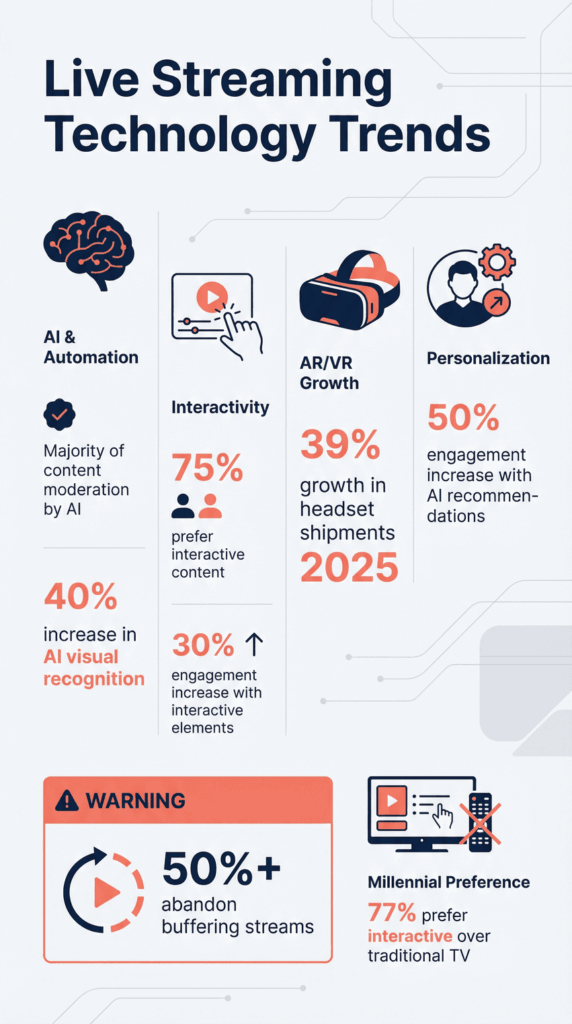
Virtual and augmented reality integration represents the next major innovation wave. Several operators are testing VR-enabled live dealer experiences that place players virtually at casino tables. Early trials show 85% player satisfaction rates, though adoption remains limited by VR hardware requirements.
Multi-language dealer services have expanded accessibility significantly. Major live gaming providers now offer dealers fluent in 23 languages, enabling operators to serve diverse international audiences from centralized studio locations. This linguistic diversity has been particularly important for operators targeting multicultural markets.
According to Marcus Rodriguez, Chief Technology Officer at LiveGaming Solutions, “We’re seeing demand for increasingly specialized experiences. Players want themed environments, celebrity dealers, and interactive elements that go beyond traditional table games. The studios that can deliver these premium experiences while maintaining operational efficiency will dominate the next growth phase.”
Market Challenges: Navigating Growth Obstacles
Despite impressive growth metrics, live dealer gaming faces significant challenges. Bandwidth limitations in developing markets restrict access for substantial player populations. In regions where average internet speeds fall below 25 Mbps, live gaming experiences suffer from frequent interruptions and poor video quality.
Dealer recruitment and training present ongoing operational challenges. Quality live dealers require extensive training in game rules, customer service, and camera presence. Annual dealer turnover rates average 34% across the industry, creating continuous recruitment and training costs that impact profitability.
Time zone complications also limit global expansion potential. European studios struggle to serve Asian markets during peak local playing hours, while American operators face similar challenges serving international audiences. Some providers have addressed this through 24/7 operations across multiple geographic locations, but this approach significantly increases operational complexity and costs.
The competitive landscape continues intensifying as traditional software providers, land-based casino operators, and technology companies enter the live dealer space. This competition benefits consumers through improved offerings and competitive pricing, but it pressures profit margins and requires continuous innovation investment from established players.